
Navigating Parental Rights in the Military: Challenges for Service Members
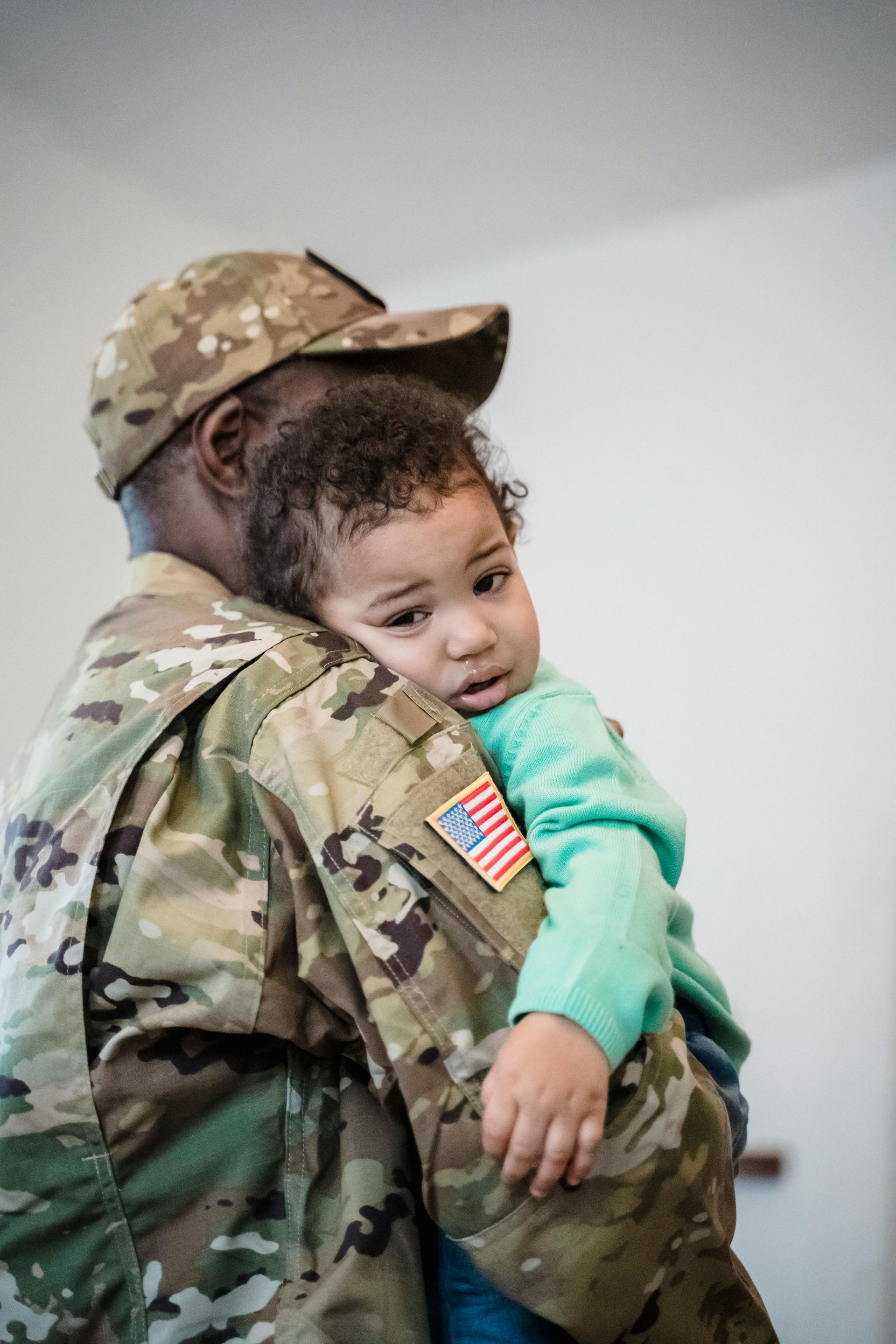
Serving in the military while raising a family presents a unique set of challenges. The demands of active duty, including deployments and relocations, add significant complexity to parenting. When a divorce or separation occurs, these challenges are magnified, making custody and visitation arrangements particularly difficult to navigate. Both fathers and mothers in service must understand their rights and the specific legal protections available to them to ensure they maintain strong, healthy relationships with their children.
This article explores the legal and emotional landscape for military parents. We will discuss the impact of military life on custody agreements, the specific rights afforded to service members, and the distinct challenges faced by both military fathers and mothers. By understanding these issues, you can take proactive steps to protect your parental rights and your child's best interests.
The Legal Complexities of Military Custody
Family law for service members involves a combination of state laws and federal protections. The transient nature of military life requires special considerations that are not present in typical civilian divorce cases.
How Deployments and Relocations Impact Custody
Frequent relocations and deployments are a reality for military families. A Permanent Change of Station (PCS) can move a parent across the country or the world, making a standard visitation schedule impossible. Deployments can mean a parent is absent for months or even over a year.
Courts must create custody orders that are flexible enough to accommodate these realities. Often, this involves creating detailed parenting plans that outline how custody will be handled during deployments, including designating a temporary guardian (often a family member) and establishing communication protocols like video calls.
The Servicemembers Civil Relief Act (SCRA)
The Servicemembers Civil Relief Act (SCRA) is a federal law that provides crucial legal protections for active-duty military personnel. A key provision of the SCRA allows service members to request a "stay" or temporary halt on civil court proceedings, including divorce and custody hearings.
This is vital if you are deployed or otherwise unable to appear in court due to your military obligations. The SCRA prevents default judgments from being entered against you while you are serving, ensuring you have a fair opportunity to present your case. It is not an automatic stop; you must request it, and a judge must approve it. This protection is a cornerstone for safeguarding both Military Father's Rights in Divorce and Military Mother's Rights in Divorce.
Custody Modifications for Military Parents
A deployment or a PCS move is generally considered a significant change in circumstances, which can be grounds for modifying a custody order. However, many states have laws preventing a parent’s absence due to military service from being the sole factor in a decision to permanently change custody. These laws are designed to prevent service members from being unfairly penalized for their duty. Instead, courts typically issue temporary orders that revert to the original agreement once the service member returns.
The Emotional Aspects of Military Parenting
Beyond the legal hurdles, military parents face significant emotional challenges. The strain of separation and the difficulties of co-parenting from a distance can take a toll on both parents and children.
The Strain of Long Separations
Long deployments can strain the parent-child bond. Children, especially young ones, may struggle to understand a parent's prolonged absence. The parent who is deployed often feels a deep sense of loss and disconnection from their child's daily life, missing milestones and important moments.
To combat this, maintaining consistent communication is key. Schedule regular video calls, send emails, and mail letters or care packages. Using technology to read a bedtime story or help with homework can help bridge the physical distance and maintain a sense of normalcy.
The Challenges of Co-Parenting
Co-parenting is challenging under any circumstances, but it becomes even more so when one or both parents are in the military. Time zone differences, unpredictable schedules, and limited communication can make shared decision-making difficult.
Successful military co-parenting requires trust, flexibility, and a commitment to open communication. Both parents must prioritize the child's needs and be willing to adapt the parenting plan as circumstances change. Establishing clear communication protocols from the outset can prevent misunderstandings and conflict down the road.
Unique Challenges for Military Fathers and Mothers
While all military parents face obstacles, fathers and mothers often encounter different societal pressures and stereotypes that can impact their custody cases.
Military Father's Rights in Divorce
Fathers in the military may face the outdated assumption that mothers are the primary caregivers. This bias can be compounded by a father's demanding military schedule, which may be used by the other party to argue that he cannot be the primary parent.
To protect their rights, military fathers must proactively document their involvement in their child’s life. This includes keeping records of communication, participating in parent-teacher conferences via phone or email, and being as engaged as possible in daily routines when not deployed. Demonstrating this consistent commitment is crucial for establishing Military Father's Rights in Divorce and proving you are an equally capable parent.
Military Mother's Rights in Divorce
Mothers in the military can face a different kind of scrutiny. They may be judged for "choosing" a career that takes them away from their children, facing societal pressure that military fathers do not. This can create an unfair burden in custody proceedings.
Protecting Military Mother's Rights in Divorce involves showcasing how you have arranged for stable and loving care for your child during service obligations. It also means highlighting your active role and the strong bond you maintain despite deployments. An experienced attorney can help counter any gender-based biases and focus the court's attention on your capabilities as a parent.
Solutions and Support for Military Parents
Navigating a military divorce requires a strategic approach and a strong support system. Fortunately, there are many resources available to help you protect your rights and your family.
Create a Flexible and Detailed Parenting Plan
A well-crafted military parenting plan is your most important tool. This legal document should be as detailed as possible and address:
- Custody During Deployments: Who will have temporary custody? What are the visitation rights for the non-deployed parent?
- Communication: How often and by what means will the deployed parent communicate with the child?
- Relocation: What happens if one parent receives PCS orders? How much notice is required?
- Decision-Making: How will major decisions about education, healthcare, and religion be made?
Find Legal Support and Resources
An attorney with experience in military family law is essential. They understand the interplay between state law and federal protections like the SCRA. They can help you draft a comprehensive parenting plan and advocate for your rights in court.
In addition to legal counsel, military bases offer support services through the legal assistance office and family advocacy programs. These resources can provide guidance and connect you with counselors or mediators.
Protect Your Rights and Your Family
Balancing military service with parenthood during and after a divorce is one of the toughest challenges a service member can face. By understanding your legal rights, proactively documenting your parental involvement, and building a strong support network, you can navigate this difficult process successfully. Your commitment to your country should not come at the expense of your relationship with your child.
If you are a service member facing a divorce or custody issue, seek guidance from a family law attorney who understands the unique complexities of military life. Taking proactive steps today is the best way to protect your future with your child.
How the Team at FBA Law Firm Can Help
At Fennell, Briasco & Associates, you’ll find attorneys who truly understand the realities of military service—Managing Partner Caryn S. Fennell is a veteran herself and brings a unique perspective to military family law, while Partner Lacey M. Briasco is a military spouse and a mother who brings her own unique experience and perspective to military family law. At Fennell, Briasco & Associates, our experienced attorneys are well-versed in the complexities of military family law. We understand the unique challenges that active-duty and reserve service members face in custody and divorce matters. Our team can help you create detailed, flexible parenting plans that accommodate deployments and relocations, ensuring your parenting rights remain secure. We advocate fiercely for the rights of military fathers and mothers, working to protect your relationship with your child while navigating the legal system. From managing documentation to representing your interests in court, FBA Law Firm stands ready to guide and support you every step of the way.
FAQs
- What is the best way to protect military father's rights in divorce?
The best way to protect military father's rights in divorce is by keeping detailed records of your involvement, communicating consistently with your child during deployments, and working with an attorney experienced in military family law. - Can military service affect a mother's custody rights during divorce?
Military service can impact a mother's custody rights, but courts cannot use deployment or relocation as the sole reason to change custody. Proactively arranging for your child's care and maintaining involvement are key factors in protecting those rights.